
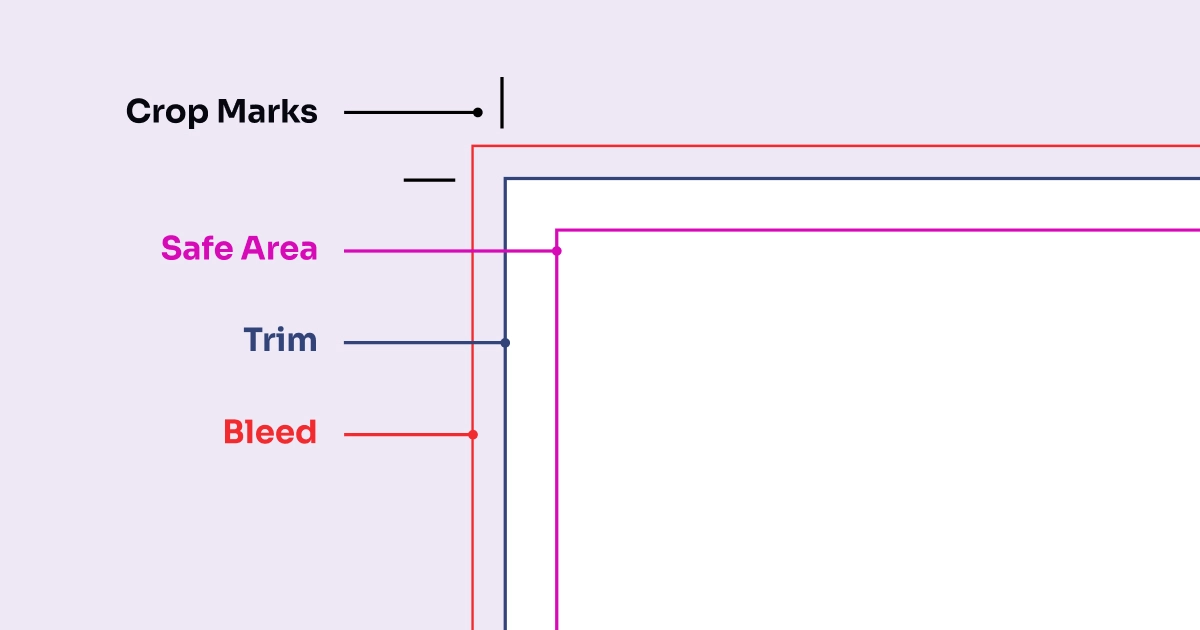
How to Design for Print and Get Amazing Results
Before you hit “send” to your friends over here at Quinprint, there are a few steps to ensure your project is “print-ready.” In this post we share some key features on how to design for print

Choosing paper can be confusing when every printer uses its own codes and brand names. At Quinprint we name our papers by how they feel, so you can choose without decoding trade terms. A name always means the same thickness on every product: thick card on a postcard is the same thick card on a business card. The technical term sits beside each name for designers and anyone comparing printers.
Two terms you will still see. C2S means coated two sides: both sides are smooth, so colour prints crisply front and back (postcards, business cards). C1S means coated one side: smooth outside for printing, uncoated inside so a pen writes cleanly, which is why we use it for folded greeting cards.
Paper (text weight) is thinner and more flexible than card. It is used for flyers, brochures, booklets, letterhead, and notepads. Each paper comes in the finishes below where we stock it.
Card (cover weight) is thicker and stiffer. It is used for business cards, postcards, rack cards, folded cards, and covers.
Looking for matte business cards? Our digital press uses toner, which leaves a slight sheen wherever it prints, even on uncoated card. For a true matte look, choose soft touch or matte lamination. Thick uncoated card gives a natural matte feel when the design leaves a lot of white paper.
If you’d like help picking the right paper or card for your next project, we can recommend options that suit your design, quantity, and budget, and show you samples at the shop on Lady Hammond Road.
Before you hit “send” to your friends over here at Quinprint, there are a few steps to ensure your project is “print-ready.” In this post we share some key features on how to design for print
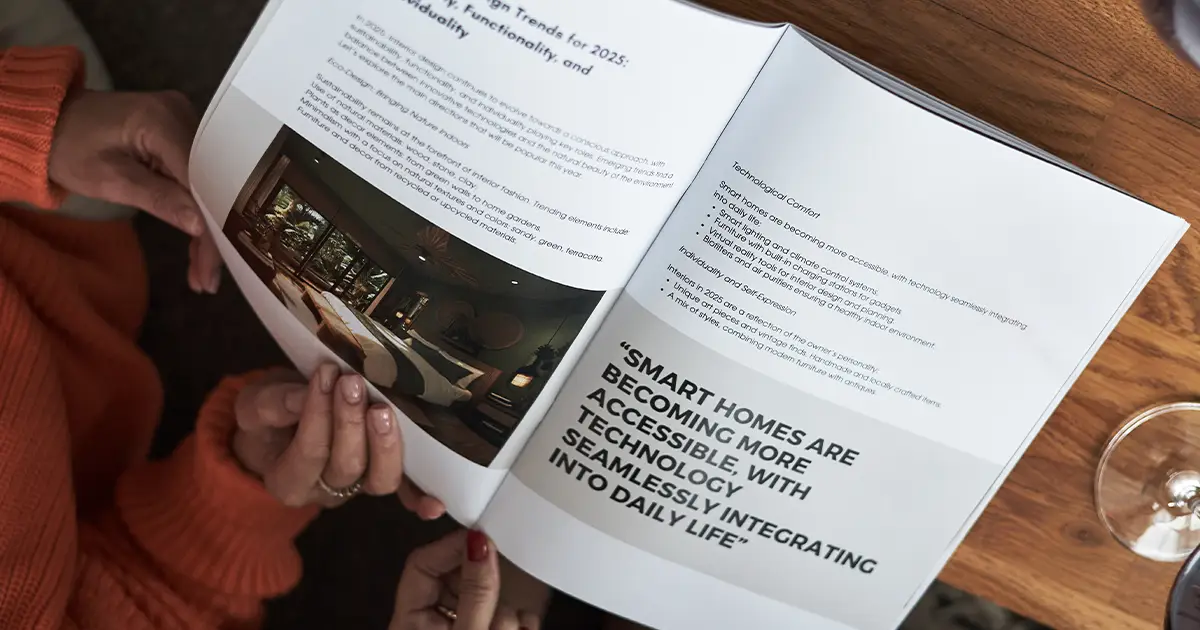
A saddle stitch booklet is one of the most common, cost-effective, and versatile binding styles
The team got together for a brainstorming session. We started with a simple question: how
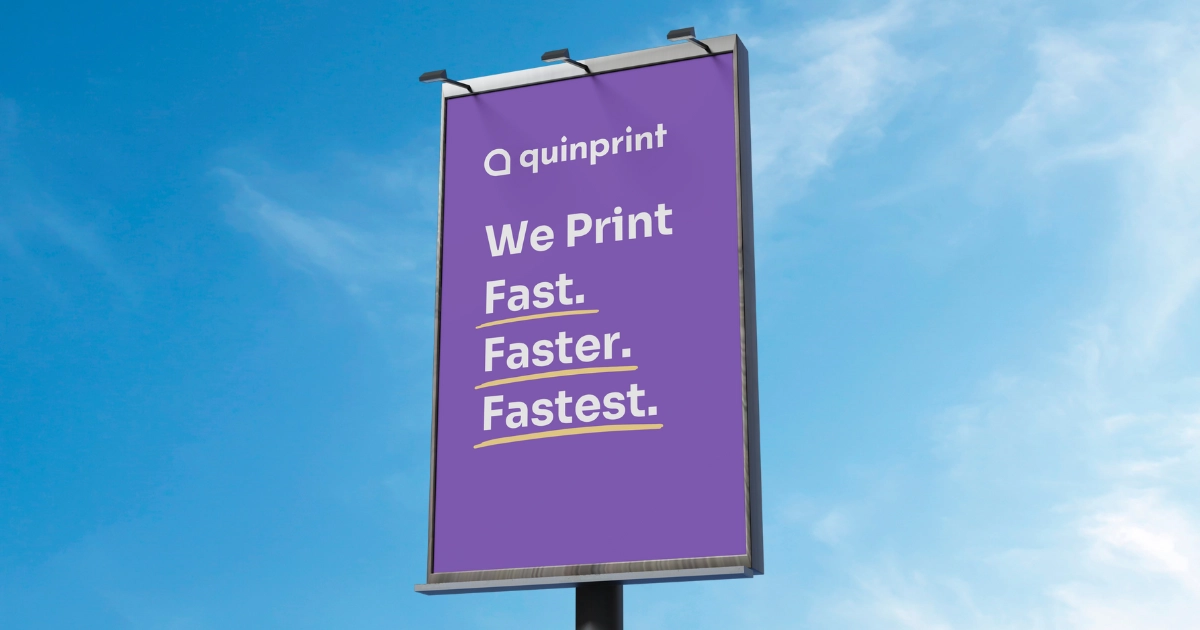
We pair high-quality production with fast print turnaround options designed to fit your timeline and budget, without ever compromising our friendly service.
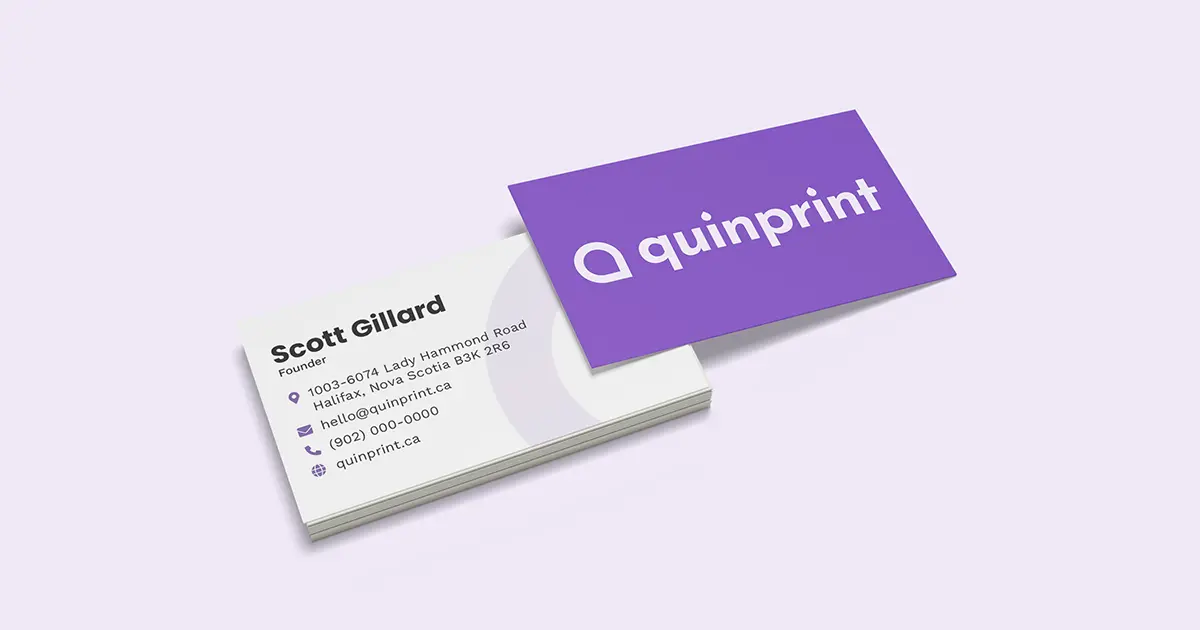
When it comes to business card thickness there are lots of options. Lots of jargon. But not a lot of clarity.
Be the first to know about deals, promotions, and more. Plus save big on your next online order.